API Std 2015

Original price was: $275.00.Current price is: $137.00.

Requirements for Safe Entry and Cleaning of Petroleum Storage Tanks, Ninth Edition

American Petroleum Institute , 08/01/2024

Pages: 152

Preview

Category:

API Std 2015 PDF

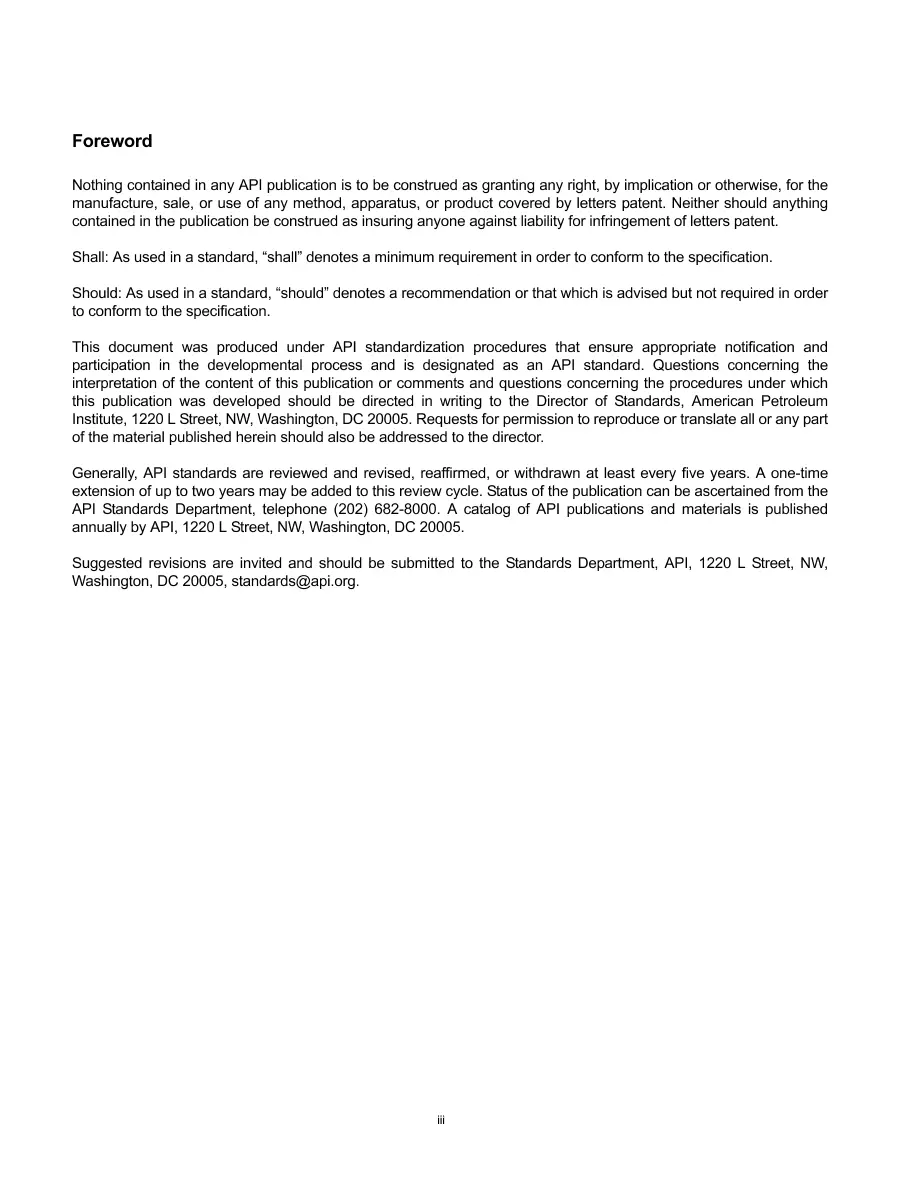
This standard is applicable to stationary atmospheric low-pressure (up to and including 103 kPA (15 psig) aboveground petroleum storage tanks used in all sectors of the petroleum and petrochemical industry, including:

• crude oil and gas production;

• refining;

• petrochemicals;

• pipelines and terminals;

• bulk storage;

• ethanol facilities.

This standard provides requirements for safely planning, coordinating, and conducting tank entry and cleaning operations, from removal from service through return to service.

This standard does not and cannot cover every possible unique hazard or situation that may arise during tank-cleaning operations. Site, product, and tank-specific hazards and situations shall be addressed by employers using the appropriate principles and considerations provided for by this standard.

This standard does not apply to the following types of tanks or vessels:

• pressure vessels and pressurized tanks exceeding 103 kPa (15 psig);

• cryogenic or refrigerated vessels or pressure tanks;

• vessels and tanks maintained under a vacuum;

• process vessels;

• underground storage tanks.

Although API Standard 2015 is not intended to cover these types of tanks and vessels, many of the safe tank-cleaning and entry principles and requirements in this standard apply and should be considered.

Original price was: $221.00.Current price is: $110.00.

Requirements for Safe Entry and Cleaning of Petroleum Storage Tanks, Eighth Edition

American Petroleum Institute , 01/01/2018

Pages: 146

Preview

Category:

API Std 2015 Eighth Edition PDF

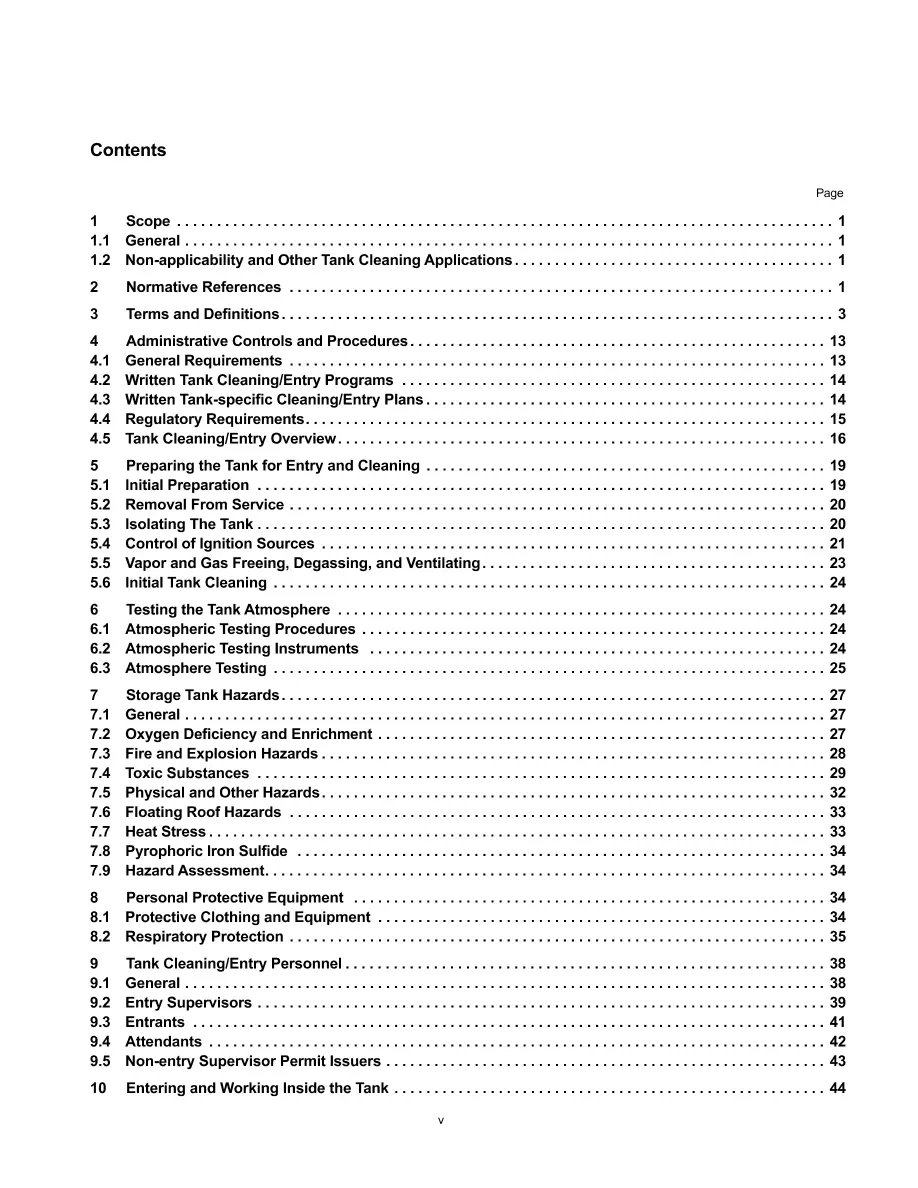
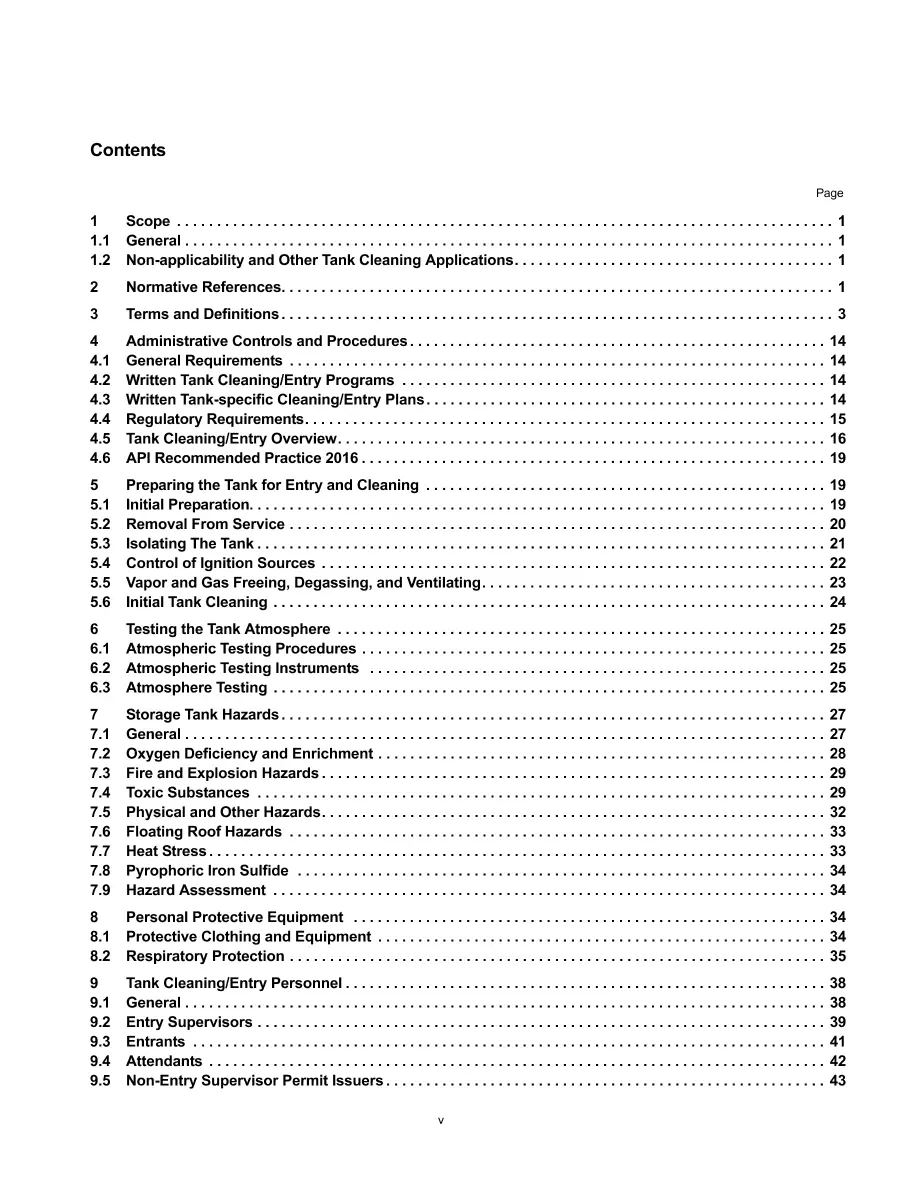
API Std 2015 is applicable to stationary atmospheric and low-pressure (up to and including 15 psig) aboveground petroleum storage tanks used in all sectors of the petroleum and petrochemical industry, including: crude oil and gas production; refining; petrochemicals; pipelines and terminals; bulk storage and ethanol facilities. This standard provides requirements for safely planning, coordinating, and conducting tank entry and cleaning operations, from removal from service through return to service. Specific topics covered include:

  • storage tank hazards (oxygen deficiency/enrichment, fires/explosions, toxic substances, stress exposures, and physical hazards);
  • vapor/gas freeing, degassing, and ventilating;
  • sludge and residue removal;
  • unique tanks (>200 ft diameter, double bottoms/walls, low-pressure tanks, and conservation tanks);
  • iron sulfide, hydrogen sulfide, lead, and hazardous waste;
  • control of ignition sources;
  • air monitoring equipment; and
  • floating roof hazards.

This standard does not and cannot cover every possible hazard or situation that may arise during tank cleaning operations. Site-, product-, and tank-specific hazards and situations must be addressed by employers using the appropriate principles and considerations provided for by this standard.

Original price was: $168.00.Current price is: $84.00.

Requirements for Safe Entry and Cleaning of Petroleum Storage Tanks, Seventh Edition

American Petroleum Institute , 05/01/2014

Pages: 68

Preview

Category:
This standard is applicable to stationary atmospheric and low-pressure (up to and including 15 psig) aboveground petroleum storage tanks used in all sectors of the petroleum and petrochemical industry, including:

  • crude oil and gas production,
  • refining,
  • petrochemicals,
  • pipelines and terminals,
  • bulk storage,
  • ethanol facilities.
    • This standard provides requirements for safely planning, coordinating, and conducting tank entry and cleaning operations, from removal from service through return to service. This standard does not and cannot cover every possible unique hazard or situation that may arise during tank cleaning operations. Site, product, and tank-specific hazards and situations must be addressed by employers using the appropriate principles and considerations provided for by this standard.